
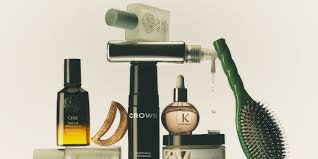
Figuring out my next beauty haircare or fragrance product can feel like a puzzle for newcomers. There are so many options, and what works for one person might not work for another. It’s easy to get overwhelmed by all the different brands and ingredients out there.
But don’t worry, this guide breaks it down simply. We will walk through it step-by-step to make picking your perfect product a breeze. Let’s get started on finding what’s best for you!
Key Takeaways
- You will learn common challenges beginners face when selecting beauty products.
- This post will offer a clear, easy-to-follow method for making product choices.
- Discover how to identify your specific needs for hair and skin.
- Understand key ingredients to look for and avoid.
- Learn tips for testing products before committing to a full size.
Finding My Next Beauty Haircare Product
Choosing my next beauty haircare or fragrance product often feels exciting, yet it can also be a little tricky. Many people wonder where to even begin, especially with so many amazing options available. The goal is to find something that truly suits your individual needs and preferences.
This section explores the basic steps to take when you’re ready for a new addition to your beauty collection. We’ll look at how to think about what you really want and need.
Assessing Your Hair Type
Your hair type is the most important thing to consider. Is it oily, dry, normal, or combination? Does it tend to frizz, get greasy fast, or feel brittle?
Knowing these details helps narrow down your search significantly. For example, if your hair is very dry, you’ll want products with moisturizing ingredients like shea butter or argan oil. If it gets greasy easily, look for lighter formulas that won’t weigh it down.
- Fine Hair Needs Volume: If your hair is fine, it can easily look flat. You need products that add lift without making it feel heavy. Look for keywords like “volumizing” or “lightweight.” These often contain proteins that can help build body.
- Thick Hair Needs Control: Thick hair can be prone to frizz and tangles. You’ll want richer, more conditioning products. Ingredients like natural oils and butters are great for keeping thick hair smooth and manageable.
- Curly Hair Needs Moisture: Curly hair naturally tends to be drier. Moisture is key to defining curls and preventing frizz. Hydrating ingredients and creamy formulas are your best friends here. Avoid alcohols that can strip moisture.
- Color-Treated Hair Needs Protection: If your hair is colored, it needs special care. Look for “color-safe” or “sulfate-free” shampoos and conditioners. These help preserve the color’s vibrancy and prevent it from fading too quickly. They also tend to be gentler on the hair shaft.
Understanding Your Scalp Needs
Don’t forget your scalp! A healthy scalp is the foundation for healthy hair. Is your scalp sensitive, itchy, or prone to dandruff?
Scalp care is just as important as hair care itself. Some hair products can irritate a sensitive scalp, leading to redness or itching. Others might not effectively address dandruff, leaving you with discomfort.
- Sensitive Scalps Need Gentle Formulas: If your scalp feels easily irritated, opt for fragrance-free and hypoallergenic products. These are less likely to cause a reaction. Look for soothing ingredients like aloe vera or chamomile.
- Oily Scalps Benefit from Clarifying: For an oily scalp, a clarifying shampoo once a week can help remove excess oil and buildup. However, don’t overdo it, as this can lead to your scalp producing even more oil. Balance is key.
- Dry Scalps Need Hydration: A dry scalp can feel tight and itchy. Moisturizing conditioners and serums can help. Ingredients like hyaluronic acid can draw moisture to the scalp.
Key Ingredients to Seek Out
Certain ingredients are superstars for hair health. Knowing what to look for can guide your selection. These ingredients offer specific benefits, from strengthening strands to adding shine.
They are often backed by science for their effectiveness.
Argan Oil: This oil, derived from the argan tree, is rich in vitamins and antioxidants. It’s fantastic for moisturizing dry hair, adding shine, and reducing frizz. It can penetrate the hair shaft to nourish from within.
Keratin: A protein that is naturally found in hair, keratin helps strengthen hair and improve its elasticity. Products with keratin can help repair damage and make hair look smoother and stronger. It is a building block for healthy hair.
Hyaluronic Acid: Known for its ability to attract and retain moisture, hyaluronic acid is a great addition for dry hair and scalps. It helps keep strands hydrated and plump, reducing breakage and improving overall texture.
Ingredients to Potentially Avoid
Just as some ingredients are beneficial, others might be less so for your specific hair needs. Being aware of these can help you make more informed choices. Some common ingredients can be drying or cause buildup over time.
Sulfates: These are strong cleaning agents that can strip hair of its natural oils. While they create a good lather, they can be too harsh for dry, color-treated, or chemically processed hair. Many people with sensitive scalps also prefer to avoid them.
Silicones: While silicones can make hair feel smooth and shiny, some types can build up on the hair shaft over time. This buildup can weigh hair down and prevent moisture from penetrating. Look for water-soluble silicones or choose silicone-free options.
Alcohols: Certain types of alcohol, like ethanol or isopropyl alcohol, can be very drying to the hair and scalp. They are often found in styling products. While not all alcohols are bad, it’s wise to be mindful of their presence.
Exploring Fragrance Product Selection
When considering my next beauty haircare or fragrance product, fragrance is a deeply personal choice. It’s about creating an aura, expressing your personality, and evoking emotions. Unlike haircare, which often focuses on function, fragrance is about sensory experience and connection.
This part explores how to approach choosing a scent that feels just right for you. It’s a delightful exploration of personal style.
Understanding Fragrance Families
Fragrances are grouped into families based on their scent profiles. Knowing these families can help you discover scents you’re likely to enjoy. Each family has a distinct character and feel.
| Fragrance Family | Key Notes | Typical Feeling |
|---|---|---|
| Floral | Rose, Jasmine, Lily of the Valley | Romantic, Feminine, Classic |
| Woody | Sandalwood, Cedarwood, Patchouli | Warm, Earthy, Sophisticated |
| Oriental (or Amber) | Vanilla, Spices, Incense | Rich, Exotic, Sensual |
| Fresh (Citrus, Aquatic, Green) | Lemon, Bergamot, Sea Notes, Grass | Clean, Invigorating, Energetic |
For example, if you love the smell of a garden after rain, you might gravitate towards fresh or green floral scents. If you prefer something cozy and inviting, oriental or woody notes could be more your style. These families provide a roadmap for scent exploration.
Considering Your Personal Style
Your personal style plays a huge role in fragrance choice. Are you generally drawn to minimalist, classic, bohemian, or bold looks? Your scent can be a signature element that complements your overall presentation.
Think about the moods you want to create.
- Minimalist Style: Often pairs well with clean, subtle, or citrus-based scents. Think light and airy, like a hint of clean linen or a crisp breeze. These scents don’t overpower but rather enhance your presence subtly.
- Classic Style: Might suit traditional florals, musks, or sophisticated woody notes. These scents are timeless and elegant, projecting an air of refinement and grace. They are often associated with polished appearances.
- Bohemian Style: Can be complemented by earthy, spicy, or exotic scents. Think patchouli, sandalwood, or notes of amber and incense. These fragrances evoke a sense of freedom and wanderlust.
- Bold Style: Might embrace strong oriental, gourmand, or even leathery notes. These scents make a statement and are for those who are confident and unafraid to stand out. They are often rich and memorable.
The Importance of Scent Longevity and Projection
When selecting a fragrance, consider how long it lasts on the skin (longevity) and how far it spreads (projection). These factors influence how you experience and how others perceive the scent. A perfume that lasts all day might be preferable for work, while a lighter scent might be better for casual outings.
Longevity refers to how many hours a fragrance remains detectable. Some fragrances are designed to be fleeting, lasting only a few hours, while others can linger for eight hours or more. This depends on the concentration of oils and the types of ingredients used.
Projection, often called “sillage,” is the scent’s trail. A high projection means the scent is noticeable from a distance, while low projection means it’s more of a skin scent, only detected up close. The desired level depends on personal preference and the occasion.
Testing Fragrances Properly
The best way to find your signature scent is to try before you buy. However, it’s important to test fragrances correctly to get an accurate sense of how they will smell on you. Spritzing a scent on a paper blotter is a start, but your skin chemistry can alter the fragrance.
When testing, apply a small amount to your wrist or the crook of your elbow. Avoid rubbing your wrists together, as this can break down the scent molecules and alter the fragrance profile. Allow the fragrance to develop on your skin for at least 15-20 minutes, and ideally, wear it for a few hours to see how it evolves.
It’s best to test no more than three scents at a time to avoid scent fatigue.
Common Myths Debunked
Myth 1: Expensive products are always better.
This is not necessarily true. While premium brands often use high-quality ingredients and sophisticated formulations, many affordable products deliver excellent results. The effectiveness of a product depends more on its specific ingredients and how they suit your needs rather than its price tag.
It’s about finding the right formula for you, regardless of cost.
Myth 2: You need different haircare for every season.
While environmental factors can influence your hair, a complete overhaul of your haircare routine for each season isn’t always needed. You might adjust the intensity of your conditioning or the frequency of treatments. For instance, you might use a richer conditioner in dry winter months or a lighter one in humid summer.
However, the core products that work for your hair type are likely to remain effective.
Myth 3: Perfume should be applied directly to pulse points.
While pulse points can help diffuse scent, applying perfume directly to them can sometimes cause the fragrance to evaporate too quickly or even alter the scent due to skin chemistry and friction. Applying to moisturized skin, clothing (with caution for delicate fabrics), or even hair can offer better longevity. It’s about finding what works best for your skin and the specific fragrance.
Myth 4: Natural ingredients mean a product is always safe and effective.
“Natural” doesn’t automatically guarantee safety or superior performance. Some natural ingredients can still cause allergic reactions or irritation in some individuals. Furthermore, the concentration and quality of natural ingredients vary widely.
It’s essential to check ingredient lists and conduct patch tests, just as you would with any product, to ensure it’s suitable for you.
Frequently Asked Questions
Question: What is the best way to start if I’ve never bought haircare or fragrance before?
Answer: Start by understanding your hair type and any scalp concerns. For fragrance, consider light, fresh scents or scents you commonly enjoy the smell of, like flowers or fruits.
Question: How do I know if a product is right for my hair?
Answer: Look at the product’s description for your specific hair type (oily, dry, fine, thick). Read reviews from people with similar hair concerns, and consider trying a travel-size version first.
Question: Can I mix products from different brands?
Answer: Yes, you can mix products from different brands. What’s most important is that the individual products address your specific needs and don’t contain conflicting ingredients that might harm your hair or skin.
Question: How can I make my perfume last longer?
Answer: Apply perfume to clean, moisturized skin. Avoid rubbing your wrists after application. Storing your perfume in a cool, dark place also helps maintain its quality and longevity.
Question: What’s the difference between Eau de Parfum and Eau de Toilette?
Answer: Eau de Parfum has a higher concentration of fragrance oils, making it last longer and project more strongly than Eau de Toilette, which is lighter and typically wears off faster.
Summary
Finding my next beauty haircare or fragrance product is simpler when you know your hair type and scalp needs. For fragrances, explore scent families and consider your personal style. Testing products properly, whether hair masks or perfumes, is key.
Don’t be afraid to experiment, and always choose what makes you feel your best.