
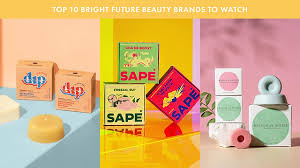
Trying to find the right beauty product brands can feel like a lot when you’re just starting out. There are so many choices, and it’s hard to know where to begin. But don’t worry!
We’re going to break it down super simply. We’ll show you how to find the best fit for you. Get ready for easy steps to help you discover amazing new favorites.
Key Takeaways
- You will learn what makes a beauty product brand stand out.
- We will explore different types of beauty brands to suit various needs.
- You’ll discover tips for choosing brands that align with your values.
- We will cover how to find affordable yet high-quality beauty product brands.
- Learn how to identify brands that are good for your skin and the environment.
Finding Your Favorite Beauty Product Brands
Choosing beauty product brands can be exciting but also overwhelming. You see all sorts of ads and hear about new products constantly. It’s easy to feel lost in the crowd of options.
This section will help you sort through the noise.
What Makes a Beauty Brand Popular
Popular beauty product brands often have a few things in common. They usually create products that work well and solve common problems for people. Think about things like makeup that lasts all day or skincare that makes your skin feel soft.
Brands that are well-loved tend to listen to what their customers want and need.
Great branding also plays a big part. This includes attractive packaging and clear messages about what the brand stands for. When a brand feels authentic and relatable, people connect with it more.
They want to be part of something they believe in.
Customer reviews and social media buzz are also very important. When many people share positive experiences, it builds trust. This encourages others to try the products themselves.
This word-of-mouth marketing is powerful for any beauty brand.
- Effective Products: Brands that consistently deliver on their promises gain loyal customers. Products that address specific concerns, like acne or fine lines, become highly sought after.
For example, a skincare brand that introduces a serum proven to reduce dark spots by 30% in clinical trials will likely become very popular. Customers trust brands that show real results and back them up with data. This is often a key driver for repeated purchases and positive recommendations, helping the brand grow its reputation and market share significantly.
- Strong Brand Identity: A clear mission and values help customers connect on a deeper level. This could be a commitment to sustainability, cruelty-free practices, or inclusivity.
Consider a makeup brand that exclusively uses ethically sourced ingredients and donates a portion of profits to environmental causes. This identity resonates with consumers who are increasingly conscious of their purchasing impact. This connection goes beyond just the product itself, fostering a sense of community and shared purpose among its customers.
- Good Marketing and Social Proof: Engaging social media campaigns and positive user testimonials build credibility. Influencer endorsements can also significantly boost visibility and sales for a brand.
When a beauty brand partner with micro-influencers who genuinely love their products, it feels more authentic. These influencers share their honest opinions and show how they use the products in their daily lives. This type of promotion often leads to higher engagement and trust from their followers.
Different Types of Beauty Brands to Know
Beauty product brands come in many forms, catering to different budgets and preferences. Understanding these categories can help you find what suits you best. Some brands focus on luxury, while others are known for being affordable and accessible.
There are also brands specializing in specific areas, like organic skincare or professional-grade makeup. Some brands are pioneers in new ingredients or technologies, offering innovative solutions. Others stick to classic, time-tested formulas.
It’s helpful to know the difference between drugstore brands, mid-range brands, and high-end or luxury brands. Each offers a unique experience and price point. You can find great products across all these segments.
| Brand Type | Price Range | Typical Customer Focus | Examples |
|---|---|---|---|
| Drugstore | Affordable | Everyday use, accessibility | Maybelline, L’Oréal, Revlon |
| Mid-Range | Moderate | Quality ingredients, broader appeal | MAC, Urban Decay, Kiehl’s |
| Luxury/High-End | Expensive | Premium experience, exclusive ingredients | Chanel, Dior, La Mer |
| Specialty (e.g. Clean Beauty) | Varies | Specific ingredient focus, ethical sourcing | Ilia, Biossance, Drunk Elephant |
Choosing Brands That Match Your Values
Many people today care deeply about the ethics and sustainability of the brands they support. This is a big reason why certain beauty product brands become so popular. They might be cruelty-free, meaning no animal testing is involved.
Some brands focus on using natural or organic ingredients, avoiding harsh chemicals. Others prioritize eco-friendly packaging and production methods. Finding brands that align with your personal values can make your beauty routine feel even better.
Look for certifications on the packaging or on the brand’s website. These can include Leaping Bunny (for cruelty-free) or USDA Organic labels. These marks help you quickly identify brands committed to ethical practices.
- Cruelty-Free Practices: Many consumers actively seek out brands that do not test on animals. This ethical consideration has become a major factor in brand loyalty for millions.
For instance, a brand that proudly displays the Leaping Bunny logo assures customers that their products have undergone rigorous checks to ensure no animal testing occurred at any stage of development or manufacturing. This transparency builds trust and appeals to a growing segment of the market that prioritizes animal welfare.
- Sustainable Sourcing and Packaging: Brands committed to the planet use recyclable materials, refillable options, and responsibly sourced ingredients. This appeals to environmentally conscious shoppers.
Imagine a brand offering shampoo and conditioner in aluminum bottles that can be refilled, drastically reducing plastic waste. They might also source ingredients like shea butter from cooperatives that pay fair wages to farmers. This holistic approach to sustainability attracts consumers who want to make eco-friendly choices.
- Inclusivity and Diversity: Brands that celebrate all skin tones, types, and genders foster a sense of belonging. This often translates into wider shade ranges and inclusive marketing campaigns.
A makeup brand that launches a foundation with 50 shades, ensuring a perfect match for virtually everyone, demonstrates a strong commitment to inclusivity. Their advertising might feature models of diverse backgrounds and ages, showing that their products are for everyone. This inclusive approach builds a strong connection with a broad customer base.
Exploring Key Beauty Product Brands And Their Offerings
Now let’s look at some specific types of beauty product brands. We’ll explore what makes them special and who they are best for. This will give you a clearer picture of the landscape.
Skincare Brands Focused on Results
Skincare is a huge part of the beauty industry. Brands in this space often focus on science and innovation to deliver visible improvements. They might use potent active ingredients like retinol, vitamin C, or hyaluronic acid.
These ingredients are known for their ability to address concerns like aging, hydration, and brightness.
Brands that specialize in clinical skincare often have dermatologists or scientists involved in their product development. This lends them an air of authority and trustworthiness. They aim to provide solutions that are effective and safe for various skin types.
When looking at skincare brands, consider their ingredient lists and the claims they make. Do they offer products for specific concerns like acne, sensitivity, or hyperpigmentation? Many brands also offer targeted serums, treatments, and moisturizers.
Ingredient Deep Dive: Retinol
Retinol is a vitamin A derivative. It’s famous for its anti-aging properties. It works by speeding up skin cell turnover.
This helps to reduce the appearance of fine lines and wrinkles. Retinol can also help with acne by keeping pores clear.
However, retinol can be strong. It might cause dryness, redness, or peeling, especially when you first start using it. It’s usually recommended to start with a lower concentration.
You should also apply it only a few times a week at night. Always use sunscreen during the day when using retinol, as it makes your skin more sensitive to the sun.
- Popular Retinol Brands: Brands like Paula’s Choice, RoC, and La Roche-Posay offer various retinol products. They often include different strengths and formulations to suit beginners and experienced users.
Paula’s Choice offers a range of retinol products from a 0.1% concentration for beginners to a 1% clinical treatment for experienced users. They emphasize gentle formulations, often including soothing ingredients like niacinamide to minimize irritation. Their products are widely praised for their effectiveness in improving skin texture and reducing signs of aging.
Example: Addressing Hyperpigmentation
A common skincare concern is hyperpigmentation, which causes dark spots or uneven skin tone. Brands like The Ordinary and Glow Recipe offer products designed to combat this. The Ordinary’s Ascorbic Acid + Alpha Arbutin and Glow Recipe’s Watermelon Glow Niacinamide Dew Drops are popular choices.
These products use ingredients like Vitamin C and Niacinamide. Vitamin C is a powerful antioxidant that brightens the skin and fades dark spots. Niacinamide helps to improve skin barrier function, reduce redness, and minimize the appearance of pores.
When used consistently, these ingredients can lead to a more even and radiant complexion.
Makeup Brands for Every Style
Makeup brands are all about creativity and self-expression. Whether you prefer a natural look or bold, artistic styles, there’s a brand for you. The variety in textures, finishes, and color ranges is astounding.
Some brands are famous for their foundations and concealers, aiming for flawless coverage. Others excel in vibrant eyeshadow palettes or long-lasting lipsticks. Many brands now offer vegan and cruelty-free options as well.
Consider what kind of makeup you use most. Are you a foundation person? Do you love experimenting with eye looks?
Or are you all about that perfect lip color? Knowing your preferences will guide you to the right brands.
Haircare Brands for Healthy Strands
Healthy hair starts with good haircare product brands. This category includes shampoos, conditioners, styling products, and treatments. Brands often specialize in certain hair types or concerns, like dryness, damage, color-treated hair, or volume.
You’ll find brands that focus on natural ingredients, like essential oils and plant extracts. Others use advanced scientific formulas to repair and protect hair. The goal is usually to improve hair’s strength, shine, and manageability.
Think about your hair’s current condition. Is it prone to breakage? Does it lack moisture?
Or is it oily and needs clarifying? Choosing a brand that targets your specific hair needs is key to achieving healthier hair.
Haircare Ingredient Focus: Argan Oil
Argan oil is a popular ingredient in many haircare products. It comes from the kernels of the argan tree, native to Morocco. This oil is rich in fatty acids and vitamin E, making it very nourishing.
In hair products, argan oil helps to moisturize and protect. It can add shine, reduce frizz, and improve hair’s elasticity. It’s often found in conditioners, hair masks, and leave-in treatments.
Because it’s lightweight, it doesn’t typically weigh down most hair types.
- Benefits of Argan Oil: It hydrates dry strands, protects against heat styling damage, and makes hair smoother and softer. It can also help to reduce scalp dryness and dandruff.
Brands like Moroccanoil have built their entire line around the benefits of argan oil. Their signature product, the Moroccanoil Treatment, is a leave-in conditioner that uses argan oil to improve shine, detangle, and reduce frizz. This ingredient’s versatility makes it a staple in many haircare routines.
Clean Beauty Brands For Conscious Consumers
Clean beauty product brands have gained significant popularity. They focus on using ingredients that are perceived as safe and healthy. This often means avoiding parabens, sulfates, phthalates, and synthetic fragrances.
The emphasis is on transparency and natural sourcing.
These brands aim to be good for both your body and the planet. Many also champion ethical practices like cruelty-free testing and sustainable packaging. They provide an alternative for consumers who are concerned about the long-term effects of certain chemicals.
Finding clean beauty brands involves looking for specific claims on packaging or researching their ingredient policies. While “clean” isn’t a regulated term, many brands adhere to strict internal standards.
- Key “Free-From” Lists: Many clean beauty brands proudly list ingredients they exclude, such as parabens, sulfates, silicones, and artificial dyes.
A brand like Beautycounter is well-known for its extensive “Restricted Substances List,” which includes over 1,800 ingredients they do not use. This thoroughness reassures consumers about the safety and purity of their formulations. They aim to provide high-performing products without compromising on health and safety standards.
- Eco-Friendly Packaging: Many clean brands prioritize sustainability in their packaging. This can include using glass, recycled plastics, or refillable containers.
Consider brands like Axiology that create zero-waste lipstick bars packaged in recycled paper. This innovative approach significantly cuts down on plastic waste, appealing to consumers looking to minimize their environmental footprint. Their commitment extends beyond ingredients to the entire product lifecycle.
How to Research and Choose Beauty Product Brands
Selecting beauty product brands doesn’t have to be a shot in the dark. With a little research, you can find brands that fit your needs and budget. This makes your shopping experience more rewarding and less wasteful.
Reading Reviews and Testimonials
Online reviews are a treasure trove of information. Websites like Sephora, Ulta, and even Amazon have extensive customer review sections. These offer real-world feedback on product performance, texture, and longevity.
Pay attention to reviews from people who have similar skin types, hair types, or beauty concerns as you. Look for patterns in the feedback. If many people rave about a product’s effectiveness or complain about its texture, take note.
Don’t forget about beauty blogs and YouTube channels. Many creators provide in-depth reviews and tutorials. They often show products in action, giving you a visual idea of how they look and perform.
- Identifying Trustworthy Reviews: Look for detailed reviews that mention specific product features and benefits. Be cautious of overly positive or negative reviews that lack specifics.
A review that says, “This foundation has medium coverage and lasts about 8 hours without creasing on my oily skin” is more helpful than “This foundation is amazing!” The first review gives specific details about coverage, wear time, and suitability for a particular skin type.
Checking Ingredient Lists
Understanding ingredient lists is a valuable skill. Most beauty products have an INCI (International Nomenclature Cosmetic Ingredient) list on their packaging or website. This lists ingredients in descending order of concentration.
You don’t need to be a chemist, but knowing a few common ingredients can help. For example, knowing that hyaluronic acid is great for hydration or that salicylic acid is good for acne is useful. There are also many apps and websites that can help you decode ingredient lists.
If you have allergies or sensitivities, checking ingredient lists is non-negotiable. It helps you avoid ingredients that have caused you issues in the past. It’s also a way to identify brands that use cleaner formulations.
Key Skincare Ingredients To Look For
Here are a few common ingredients and what they do:
- Hyaluronic Acid: A humectant that draws moisture to the skin, keeping it plump and hydrated.
- Vitamin C: An antioxidant that brightens skin, reduces dark spots, and protects against environmental damage.
- Niacinamide: A form of Vitamin B3 that helps improve skin barrier function, reduce redness, and minimize pore appearance.
- Salicylic Acid: A beta-hydroxy acid (BHA) that exfoliates inside pores, great for acne-prone skin.
- Retinol: A vitamin A derivative that speeds up cell turnover, helping with fine lines, wrinkles, and acne.
For example, if your goal is to achieve a brighter, more even complexion, you would look for products containing Vitamin C or Niacinamide. If fighting acne is your priority, salicylic acid would be a key ingredient to seek out. Understanding these roles empowers you to make informed choices.
Considering Your Budget
Beauty product brands range from very affordable to quite expensive. It’s important to find brands that fit your budget so you can maintain your routine without financial strain. You can find high-quality products at every price point.
Drugstore brands often offer excellent value. Many innovative formulas are now available at lower costs. Mid-range brands offer a balance of quality and price.
Luxury brands often come with a premium price tag for exclusive ingredients, sophisticated packaging, or brand prestige.
Don’t feel pressured to buy the most expensive products. Often, simpler formulations from affordable brands can be just as effective, if not more so, for your specific needs. Focus on what works for your skin and your wallet.
- Identify Your Needs: First, determine what products you need and what results you’re looking for.
- Research Brands in Your Price Range: Look for reviews and ingredient lists of brands that fit your budget.
- Start Small: Try travel-sized products or single items before committing to a full-sized purchase.
- Look for Sales and Discounts: Many retailers offer promotions, especially during holidays.
Scenario: Budget-Friendly Foundation Search
Sarah needs a new foundation but has a tight budget. She looks at drugstore brands like Maybelline and L’Oréal. She reads online reviews comparing their matte and dewy finish foundations.
She discovers that Maybelline’s Fit Me Matte + Poreless Foundation is highly rated for controlling shine on oily skin like hers, and it costs around $8. This fits her budget and meets her needs.
Common Myths Debunked
Myth 1: Expensive Beauty Products Are Always Better
This is a common misconception. While some luxury brands use rare or potent ingredients that justify their price, many affordable beauty product brands offer equally effective formulas. The cost is often influenced by marketing, packaging, and brand prestige, not just ingredient quality or efficacy.
Many budget-friendly brands invest heavily in research and development, leading to innovative and high-performing products that rival those of high-end competitors.
Myth 2: “Natural” Always Means “Safe”
The term “natural” can be misleading. While many natural ingredients are beneficial, some can also cause allergic reactions or irritation. Furthermore, the term “natural” isn’t strictly regulated, so products labeled as such may still contain synthetic preservatives or other ingredients.
It’s important to check ingredient lists regardless of whether a product is marketed as natural or not, especially if you have sensitive skin or allergies.
Myth 3: You Need A Complicated Routine With Many Products
A complex, multi-step routine isn’t necessary for everyone. For many people, a simple routine with a cleanser, moisturizer, and SPF is sufficient. The effectiveness of a routine depends more on the quality and suitability of the products used rather than the sheer number of steps.
Overusing too many products can sometimes lead to skin irritation or disrupt its natural balance.
Frequently Asked Questions
Question: What are the best beauty product brands for sensitive skin?
Answer: Brands like CeraVe, Vanicream, and La Roche-Posay are often recommended for sensitive skin. They focus on gentle, fragrance-free formulas with minimal ingredients. Always patch-test new products.
Question: How can I find out if a beauty brand is cruelty-free?
Answer: Look for certifications like the Leaping Bunny logo on product packaging or the brand’s website. Many cruelty-free brands also list this information clearly in their FAQs or “About Us” sections.
Question: Are there good beauty product brands for acne-prone skin that are also affordable?
Answer: Yes, many drugstore brands offer effective acne treatments. Look for ingredients like salicylic acid or benzoyl peroxide in cleansers, toners, and spot treatments from brands such as Neutrogena, Clean & Clear, and Paula’s Choice (which has some more affordable lines).
Question: What is the difference between skincare and makeup brands?
Answer: Skincare brands focus on the health and appearance of the skin itself, using ingredients to cleanse, moisturize, treat, and protect. Makeup brands focus on enhancing or altering the appearance of features with products like foundation, lipstick, and eyeshadow.
Question: Where can I find honest reviews for beauty product brands?
Answer: Reputable beauty retailers like Sephora and Ulta have extensive customer review sections. YouTube and beauty blogs also offer in-depth reviews from influencers and everyday users. Look for detailed feedback from people with similar concerns.
Summary
Finding the right beauty product brands is achievable. Focus on what works for your skin or style and your budget. Research ingredients and read reviews.
Many fantastic options exist across all price points. You can build a great collection that makes you feel good.