
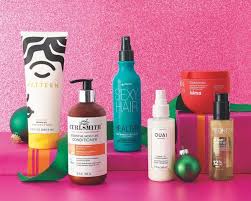
Getting started with beauty and hair care products can feel like a big task at first. There are so many options, and it’s hard to know where to begin. But don’t worry, it doesn’t have to be complicated!
We will break everything down into easy steps. Think of this as your friendly guide to making smart choices for your skin and hair. We’ll show you how to pick what’s best for you and build a simple routine.
Get ready to feel more confident about the beauty and hair care products you use every day.
Key Takeaways
- You will learn how to identify your skin and hair type.
- Discover essential ingredients to look for in products.
- Understand basic product categories for face and hair.
- Learn simple tips for building an effective routine.
- Gain confidence in choosing the right beauty and hair care products for your needs.
Understanding Beauty and Hair Care Products
Choosing the right beauty and hair care products is all about knowing what your skin and hair need. Many people find this challenging because there’s a huge variety available. Different products are made for different concerns, like dry skin, oily hair, or aging.
It’s easy to get overwhelmed by all the labels and promises. This guide aims to simplify things. We’ll help you understand the basics so you can make informed decisions.
You’ll discover how to pick products that truly work for you without all the confusion.
What Are Beauty Products
Beauty products cover a wide range of items used to enhance or alter one’s appearance. This includes cosmetics like foundation, lipstick, and eyeshadow, as well as skincare items such as cleansers, moisturizers, and sunscreens. They also extend to fragrances like perfumes and colognes.
The primary goal of beauty products is often to improve skin health, conceal imperfections, or add color and definition to facial features. They can also be used to express personal style and boost self-confidence.
The beauty industry is vast, with products targeting specific skin types (oily, dry, combination, sensitive) and concerns (acne, wrinkles, hyperpigmentation). For hair, beauty products include shampoos, conditioners, styling aids, and treatments designed to clean, nourish, protect, and style hair. Understanding these categories helps in selecting items that are safe and effective for individual needs.
For example, someone with oily skin might choose a gel-based moisturizer, while someone with dry hair would likely opt for a rich, hydrating conditioner.
The science behind beauty products is complex, involving various chemical compounds formulated for specific effects. Ingredients like hyaluronic acid are used for hydration, salicylic acid for exfoliation, and silicones for smoothing hair. Safety regulations are in place in most countries to ensure these products are safe for consumer use.
However, individual reactions can vary, making patch testing and careful ingredient review important steps for anyone with sensitive skin or allergies.
What Are Hair Care Products
Hair care products are specifically designed to clean, condition, style, and treat your hair and scalp. This category includes shampoos for cleansing, conditioners for moisturizing and detangling, and various treatments like masks and serums for deep nourishment. Styling products such as mousses, gels, and hairsprays help achieve different looks and provide hold.
Scalp care products are also crucial, addressing issues like dryness, dandruff, or oiliness.
The effectiveness of hair care products depends heavily on understanding your hair type and its unique needs. Factors like hair texture (fine, medium, coarse), porosity (how well hair absorbs moisture), and condition (damaged, color-treated, natural) all play a role. For instance, fine hair might require volumizing shampoos, while coarse, dry hair would benefit from moisturizing conditioners and leave-in treatments.
Products also cater to specific scalp conditions, offering solutions for dandruff or itchiness.
Many hair care products contain active ingredients that target specific hair issues. Proteins like keratin help strengthen hair, while oils like argan or coconut oil provide moisture and shine. Humectants attract moisture, and emollients smooth the hair cuticle.
Understanding these ingredients allows for better product selection, leading to healthier, more manageable hair. The market offers products for all hair concerns, from repairing damage to enhancing color vibrancy.
Why Beginners Find It Challenging
Beginners often feel overwhelmed by the sheer number of beauty and hair care products available. Shelf after shelf presents countless options, each promising miraculous results. This can lead to confusion about what is truly necessary and what is just marketing hype.
Without a clear understanding of ingredients, skin types, hair textures, and specific concerns, making informed choices becomes difficult.
The language used on product labels can also be a barrier. Terms like “non-comedogenic,” “sulfate-free,” “pH-balanced,” or “silicone-free” might sound technical and confusing. Without knowing what these terms mean or why they are important, a beginner might resort to random picks or follow trends without considering personal needs.
This can result in buying products that don’t suit them, leading to wasted money and potential skin or hair irritation.
Furthermore, the constant evolution of the beauty market means new products and ingredients appear regularly. This makes it hard for beginners to keep up. They may feel pressure to try the latest trends, which might not align with their goals or skin type.
The lack of a structured approach can make the process feel like guesswork rather than a personalized care system, increasing frustration and doubt.
Building Your Essential Beauty and Hair Care Arsenal
Creating a functional collection of beauty and hair care products doesn’t require a massive budget or an overwhelming number of items. The key is to focus on essentials that address your primary needs. For your skin, this means a good cleanser, a moisturizer, and sun protection.
For your hair, it’s about a shampoo and conditioner suited to your hair type. Starting with these basics allows you to build a routine that is effective and manageable.
Think of your routine as a foundation. Once you have the core products, you can gradually add specialized items if needed. For instance, if you develop a specific skin concern like acne or dryness, you can then look for targeted treatments.
Similarly, if your hair becomes damaged from heat styling or coloring, you might introduce a deep conditioning mask or a heat protectant spray. This step-by-step approach makes the process less daunting and more rewarding.
The goal is to curate a collection that works in harmony with your body. This means paying attention to how your skin and hair react to different products. What works for one person might not work for another.
Learning to observe these reactions is a vital part of building your personal arsenal. It empowers you to make better choices and feel more in control of your self-care.
Skin Type Basics
Understanding your skin type is the first step to choosing effective beauty products. There are generally five main skin types: normal, dry, oily, combination, and sensitive. Normal skin is balanced, neither too oily nor too dry, with few imperfections.
Dry skin lacks oil and can feel tight, flaky, or rough. Oily skin produces excess sebum, leading to a shiny appearance and often acne breakouts.
Combination skin is common, characterized by an oily T-zone (forehead, nose, chin) and normal or dry cheeks. Sensitive skin reacts easily to products, often showing redness, itching, or burning. Knowing your skin type helps you select cleansers, moisturizers, and treatments that will address your specific needs without causing irritation or exacerbating existing issues.
For instance, someone with oily skin should look for lightweight, oil-free formulas, while someone with dry skin would benefit from richer, hydrating creams.
To determine your skin type, start by washing your face with a gentle cleanser and patting it dry. Wait about an hour without applying any products. Observe your skin: if it feels tight and flaky, it’s likely dry.
If it looks shiny all over, it’s oily. If only your forehead, nose, and chin are shiny, it’s combination. If your skin shows redness or feels irritated after using certain products, you probably have sensitive skin.
Hair Type Essentials
Just like skin, hair has different types and needs. Understanding your hair type is crucial for selecting the right hair care products. The main characteristics to consider are texture, density, porosity, and elasticity.
Hair texture can be fine, medium, or coarse. Fine hair is delicate and can be easily weighed down, while coarse hair is thicker and might require more conditioning.
Density refers to how much hair you have on your head – sparse, medium, or thick. Porosity measures how well your hair absorbs and retains moisture. High porosity hair absorbs moisture quickly but loses it just as fast, often feeling dry.
Low porosity hair resists moisture and can feel greasy if too many heavy products are used. Elasticity indicates how stretchy your hair is; healthy hair has good elasticity and can stretch without breaking.
For example, someone with fine, oily hair might opt for volumizing shampoos and lightweight conditioners that don’t weigh their hair down. Conversely, someone with coarse, dry, color-treated hair would benefit from hydrating shampoos, rich conditioners, and deep conditioning treatments to restore moisture and strength. Choosing products based on these hair characteristics ensures your hair gets the nourishment it needs to look and feel its best.
Basic Skincare Routine Steps
A foundational skincare routine involves a few key steps performed daily. The morning routine typically focuses on cleansing and protection. Start with a gentle cleanser to remove any impurities accumulated overnight.
Follow this with a moisturizer to hydrate your skin. Finally, apply sunscreen with an SPF of 30 or higher, even on cloudy days, to shield your skin from harmful UV rays. This simple routine helps keep your skin healthy and protected throughout the day.
The evening routine focuses on cleansing and repair. Begin by thoroughly cleansing your face to remove makeup, dirt, oil, and pollutants from the day. If you wear makeup, consider a double cleanse, starting with an oil-based cleanser or micellar water to break down makeup, followed by your regular cleanser.
Next, apply a moisturizer to replenish hydration. At night, you can use a slightly richer moisturizer or one with active ingredients like retinoids or antioxidants if your skin tolerates them and you have specific concerns.
Consistency is vital for seeing results. Sticking to these simple steps morning and night will make a noticeable difference in your skin’s health and appearance over time. Remember to choose products formulated for your specific skin type (oily, dry, sensitive, combination) to avoid irritation and achieve the best outcomes.
This basic structure provides a solid base upon which you can build more advanced steps if desired.
Cleansing Explained
Cleansing is the essential first step in any skincare routine, both morning and night. Its primary purpose is to remove impurities from the skin’s surface, including dirt, oil, makeup, and environmental pollutants. This process prepares the skin to better absorb subsequent products, such as serums and moisturizers, making them more effective.
A clean canvas is key to healthy, radiant skin.
There are various types of cleansers available, each suited to different skin types and concerns. Gentle, hydrating cleansers are ideal for dry or sensitive skin, often featuring creamy or milky formulations. Foaming cleansers are effective for oily or acne-prone skin, providing a deep clean.
Oil-based cleansers or micellar waters are excellent for removing makeup, especially stubborn waterproof formulas. Some cleansers also contain active ingredients like salicylic acid to help with acne or glycolic acid for exfoliation.
When cleansing, it’s important to use lukewarm water, as hot water can strip the skin of its natural oils, leading to dryness and irritation. Avoid harsh scrubbing; instead, gently massage the cleanser onto your skin in circular motions. Rinse thoroughly and pat your face dry with a clean, soft towel.
Over-cleansing can disrupt the skin’s natural barrier, so stick to cleansing twice a day unless advised otherwise by a dermatologist.
Moisturizing for Hydration
Moisturizing is a critical step for maintaining healthy, balanced skin. Its main function is to hydrate the skin by replenishing lost moisture and creating a protective barrier that prevents further water loss. This barrier, known as the stratum corneum, is essential for keeping skin soft, supple, and protected from environmental aggressors.
Different skin types require different types of moisturizers. For dry skin, rich, emollient creams containing ingredients like ceramides, shea butter, or hyaluronic acid are beneficial. Oily or acne-prone skin typically fares better with lightweight, oil-free lotions or gels that won’t clog pores.
Combination skin might benefit from a lighter moisturizer on oily areas and a slightly richer one on drier patches, or a versatile formula designed for all skin types. Sensitive skin should use fragrance-free, hypoallergenic moisturizers to minimize the risk of irritation.
Applying moisturizer to slightly damp skin can enhance its effectiveness by trapping more moisture. This is particularly true after cleansing or applying hydrating serums. Consistent daily application, both in the morning and evening, helps to maintain the skin’s optimal hydration levels, leading to a smoother, plumper appearance and a reduced risk of dryness-related issues like flakiness and fine lines.
Sun Protection Essentials
Sun protection is arguably the most vital step in any skincare routine, regardless of age, gender, or skin type. The sun’s ultraviolet (UV) rays can cause significant damage to the skin, leading to premature aging, dark spots, and an increased risk of skin cancer. Sunscreen acts as a shield, absorbing or reflecting these harmful rays before they can penetrate the skin.
It is recommended to use a broad-spectrum sunscreen with an SPF of 30 or higher. Broad-spectrum means the sunscreen protects against both UVA rays (which contribute to aging) and UVB rays (which cause sunburn). Even on cloudy days or when indoors near windows, UV rays can still reach your skin, making daily application essential.
Sunscreen should be applied generously to all exposed skin areas, including the face, neck, ears, and hands.
Reapplication is key, especially after swimming, sweating, or towel-drying. Many people skip this crucial step, but it significantly reduces the effectiveness of the sunscreen. Integrating sunscreen into your daily routine is a simple yet powerful way to preserve your skin’s health and youthful appearance in the long term.
Some foundations and moisturizers also contain SPF, but relying solely on these might not provide adequate protection.
Basic Hair Care Routine Steps
A simple hair care routine focuses on keeping your hair clean, conditioned, and healthy. The core elements are shampooing and conditioning. Shampoo is used to cleanse your scalp and hair, removing dirt, oil, and product buildup.
It’s important to choose a shampoo that matches your hair type and scalp condition. For example, if you have a dry, itchy scalp, you might need a moisturizing shampoo.
After shampooing, apply conditioner to the mid-lengths and ends of your hair. Conditioner helps to detangle, soften, and moisturize your strands, making them easier to manage and reducing breakage. Leave-in conditioners or hair masks can be used less frequently for extra hydration or repair, depending on your hair’s needs.
The goal is to maintain the hair’s natural oils while keeping it clean and nourished.
Washing frequency can vary greatly depending on your hair type and lifestyle. Some people with oily hair may need to wash daily, while those with dry or curly hair might find washing once or twice a week is sufficient. Over-washing can strip the hair of its natural oils, leading to dryness and damage.
Listening to your hair and scalp is the best way to determine the right washing schedule for you.
Shampooing for Cleanliness
Shampooing is the foundational step in hair care, designed to cleanse your scalp and hair. The primary function of shampoo is to remove dirt, excess oil (sebum), product residue, and environmental pollutants that accumulate on your hair and scalp. This process ensures a clean environment for hair growth and prevents issues like clogged follicles that can lead to dandruff or poor hair health.
The selection of shampoo should be tailored to your specific hair and scalp type. For oily scalps, shampoos with clarifying agents can effectively remove excess sebum without being too harsh. Those with dry or sensitive scalps benefit from gentle, moisturizing shampoos, often labeled as “sulfate-free” or “for sensitive scalps,” which minimize stripping natural oils.
Color-treated hair requires special shampoos that are formulated to preserve color vibrancy and prevent premature fading.
Proper shampooing technique involves massaging the shampoo gently into your scalp with your fingertips, rather than vigorously rubbing the hair itself. This helps to exfoliate the scalp and stimulate blood circulation. Rinse the shampoo thoroughly, ensuring no residue remains.
While some people shampoo their entire hair length, focusing on the scalp is where most of the oil and dirt resides, and the lather rinsing down the hair shaft is usually sufficient for cleaning the strands.
Conditioning for Moisture and Shine
Conditioning follows shampooing to restore moisture, detangle, and improve the overall appearance and feel of your hair. After shampooing strips away impurities and natural oils, conditioner replenishes hydration and smooths the hair cuticle, the outer protective layer of each strand. This smoothing effect makes hair easier to comb through, reduces frizz, and enhances shine.
The type of conditioner you use should align with your hair’s needs. For fine hair, lightweight conditioners are best to avoid weighing it down. Coarse or dry hair, however, benefits from richer, more intensive conditioners, often containing ingredients like natural oils, shea butter, or silicones to provide deep hydration and manageability.
Color-treated or chemically processed hair needs conditioners designed to repair damage, protect color, and enhance softness.
When applying conditioner, focus on the mid-lengths and ends of your hair, as these areas are typically drier and more prone to damage than the roots. Avoid applying heavy conditioners directly to the scalp, as this can lead to greasiness. Allow the conditioner to sit for a few minutes before rinsing thoroughly with cool or lukewarm water.
Cool water helps to seal the hair cuticle, locking in moisture and boosting shine.
Specialty Hair Treatments
Beyond daily shampooing and conditioning, specialty hair treatments offer targeted solutions for various hair concerns. These treatments are designed to provide deeper nourishment, repair damage, or enhance specific hair qualities. Common examples include deep conditioners, hair masks, serums, and oils, each serving a distinct purpose.
Deep conditioners and hair masks are intensive treatments that provide a concentrated dose of moisture and nutrients. They are particularly beneficial for dry, damaged, or chemically treated hair. These are typically left on the hair for a longer duration, from a few minutes to overnight, allowing active ingredients to penetrate the hair shaft.
Ingredients like proteins, vitamins, and natural oils are common in these formulations.
Hair serums and oils are often used as leave-in treatments or styling aids. Serums can help to smooth frizz, add shine, and protect hair from heat styling. Oils, such as argan oil, coconut oil, or jojoba oil, can be used to moisturize dry ends, add gloss, or even provide scalp nourishment.
The choice of specialty treatment depends on individual hair needs, such as repairing split ends, boosting volume, or protecting color.
Putting It All Together A Simple Routine
Building a simple beauty and hair care routine is about consistency and using the right products for your needs. For your skin, aim for a morning routine of cleansing, moisturizing, and sun protection. In the evening, cleanse again, followed by your moisturizer.
For your hair, a gentle shampoo and conditioner used a few times a week, based on your hair type, will suffice. The key is to keep it manageable so you stick with it.
Listen to your body. If your skin feels tight after cleansing, you might need a more hydrating cleanser or moisturizer. If your hair feels dry and brittle, consider a richer conditioner or a weekly hair mask.
Don’t feel pressured to use a dozen products. Start with the essentials and add items only if you identify a specific concern that requires targeted treatment. A streamlined routine is more likely to be followed consistently.
This foundational approach ensures your skin and hair receive the care they need without unnecessary complexity. By focusing on cleansing, moisturizing, protection, and appropriate conditioning, you create a healthy base. Over time, you’ll notice improvements in your skin’s clarity and your hair’s vitality.
This simplicity allows you to enjoy the benefits of good self-care without feeling overwhelmed.
Sample Daily Skincare Routine
A good daily skincare routine can be incredibly simple, focusing on essential steps to maintain skin health. In the morning, start by gently cleansing your face with a mild cleanser. This removes any oil or impurities that may have accumulated overnight.
After rinsing and patting your face dry, apply a lightweight moisturizer suitable for your skin type. This step hydrates your skin and helps it feel comfortable throughout the day.
The final, non-negotiable step for the morning is applying a broad-spectrum sunscreen with an SPF of at least 30. Sunscreen protects your skin from damaging UV rays, which can cause premature aging and increase the risk of skin cancer. Make sure to apply it generously to your face, neck, and any other exposed areas.
This simple morning regimen sets your skin up for a healthy day.
For your evening routine, the primary goal is to remove the day’s accumulated dirt, makeup, and pollutants. Begin by cleansing your face thoroughly. If you wear makeup, you might opt for a double cleanse, starting with an oil-based cleanser or micellar water to break down makeup, followed by your regular facial cleanser.
After cleansing, apply your chosen moisturizer. At night, you have the flexibility to use a slightly richer moisturizer or one with specific active ingredients if you have particular skin concerns.
Sample Weekly Hair Care Routine
A weekly hair care routine provides consistent nourishment and maintenance for healthy locks. Begin by washing your hair with a shampoo tailored to your hair type. If your hair is particularly dry or damaged, use a moisturizing shampoo.
Focus the shampoo on your scalp, gently massaging it in to clean thoroughly. Rinse well to remove all traces of the shampoo.
After shampooing, apply a conditioner to the lengths and ends of your hair. Let it sit for a few minutes to allow the ingredients to work. Rinse the conditioner out with cool or lukewarm water to help seal the hair cuticle.
For a boost of hydration and repair, incorporate a deep conditioning treatment or hair mask once a week or every other week. Apply this mask after shampooing, leave it on for the recommended time (usually 10-20 minutes), and then rinse thoroughly.
Beyond washing, consider heat styling habits. If you use blow dryers, straighteners, or curling irons, always apply a heat protectant spray beforehand. This creates a barrier between the heat and your hair, minimizing damage.
Allow your hair to air dry when possible. This simple schedule helps maintain hair health, manageability, and shine without being overly time-consuming.
Common Myths Debunked
Myth 1: You need a lot of products for good skin and hair
This is a common misconception. While the beauty market is flooded with products, a truly effective routine can be built with just a few core items. For skin, a gentle cleanser, a good moisturizer, and sunscreen are often sufficient for maintaining health.
For hair, a suitable shampoo and conditioner are typically all that’s needed for basic care. Overusing products, especially those that don’t suit your specific needs, can sometimes cause more harm than good by irritating the skin or weighing down the hair.
Myth 2: Natural and organic products are always better
While many natural and organic products are excellent, the term “natural” isn’t always regulated, and some natural ingredients can be irritating or allergenic for certain individuals. “Organic” has stricter guidelines, but it doesn’t automatically mean a product will perform better for your specific skin or hair type. The effectiveness of a product depends on its formulation, active ingredients, and how well it suits your individual needs, regardless of whether it’s labeled natural or synthetic.
Myth 3: Expensive products are always more effective
Price does not always correlate with efficacy. Many high-end brands invest heavily in marketing and packaging, which contributes to their cost. However, effective ingredients can be found in products across all price points.
Drugstore brands often offer formulations with the same key active ingredients as luxury brands. It’s more important to understand the ingredients that benefit your skin and hair type and look for those, rather than assuming a higher price tag guarantees better results.
Myth 4: You should wash your hair every day
Washing your hair daily can strip it of its natural oils, leading to dryness, breakage, and an irritated scalp. The frequency of washing depends heavily on your hair type and lifestyle. People with very oily hair might need to wash more often, while those with dry, curly, or color-treated hair may find washing once or twice a week is sufficient.
Over-washing can disrupt the scalp’s natural balance and make hair appear dull.
Frequently Asked Questions
Question: How do I know my skin type
Answer: To determine your skin type, wash your face with a gentle cleanser and wait about an hour without applying any products. Observe your skin in the mirror. If it feels tight and looks flaky, it’s likely dry.
If it appears shiny all over, it’s oily. If only your T-zone (forehead, nose, chin) is oily while your cheeks are normal or dry, you have combination skin. If your skin often gets red or irritated easily, you likely have sensitive skin.
Question: What should I look for in a shampoo for oily hair
Answer: For oily hair, choose shampoos that are labeled as clarifying or volumizing. These often contain ingredients that effectively remove excess sebum without being too harsh. Look for lightweight formulas that don’t contain heavy oils or silicones, which can weigh down fine or oily hair.
Sulfate-free options can also be good if your scalp is sensitive, as some sulfates can be overly drying, leading to increased oil production.
Question: Can I use the same moisturizer for my face and body
Answer: While some body lotions can be used on the face, it is generally best to use products specifically formulated for facial skin. Facial skin is often more delicate and prone to issues like acne or sensitivity. Facial moisturizers are typically non-comedogenic (won’t clog pores) and formulated with ingredients suited for the face’s specific needs.
Body lotions can sometimes be too heavy or contain ingredients that might irritate facial skin.
Question: How often should I use a hair mask
Answer: Hair masks are intensive treatments. For most people, using a hair mask once a week or every other week is sufficient. If your hair is very dry, damaged, or chemically treated, you might benefit from using it more frequently, perhaps twice a week.
If your hair is healthy and doesn’t have specific concerns, overusing masks can lead to product buildup or make your hair feel heavy. Pay attention to how your hair responds.
Question: What does SPF stand for
Answer: SPF stands for Sun Protection Factor. It is a measure of how well a sunscreen protects your skin from UVB rays, the primary cause of sunburn. An SPF of 30, for instance, means that it would take 30 times longer for your skin to start reddening compared to wearing no sunscreen.
It’s important to use a broad-spectrum sunscreen that protects against both UVA and UVB rays, with an SPF of 30 or higher for adequate daily protection.
Final Thoughts
Choosing beauty and hair care products can be simple by focusing on your specific skin and hair types. Start with essential cleansers, moisturizers, sun protection, and appropriate shampoos and conditioners. Consistency is key, and paying attention to how your products make your skin and hair feel will guide you.
You have the power to select what works best for you.